
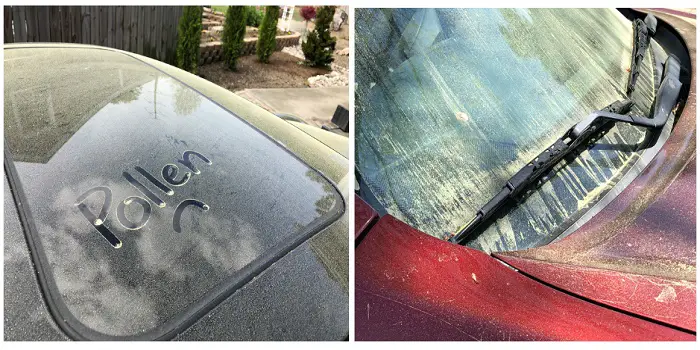
Spring is a beautiful time of year — birds sing, flowers bloom, and tree pollen paints your once-glistening new white car a dusty yellow-green.
Unfortunately, that powdery coat of pollen is more than just a nuisance; it’s a corrosive menace quietly attacking your car’s clear coat, paint, and pride.
You might think a quick rinse would do the job, but if you’ve ever dealt with dried pollen or stubborn pollen stains, you know it’s not that simple.
Once it bakes onto your car bonnet under the sun, it clings like glue. The result? Dull spots, etching, and a finish that looks more “neglected” than “showroom fresh.”
Let’s break down the science of pollen, why it’s such a persistent problem, and most importantly — how to remove it without damaging the paint.
Why is Pollen a Problem for the Car’s Paint?
At first glance, pollen looks harmless — a soft, dusty layer that seems easy to blow away.
But under the microscope, pollen grains are microscopic spheres covered with spikes and barbs designed to latch onto surfaces.
When these grains land on your car’s clear coat, they don’t just sit there.
They hold onto the surface and, in humid or rainy weather, release acidic compounds that can slowly eat through wax and even etch into the paint itself.
This is particularly noticeable on white cars, where yellow or green pollen stains off of white car surfaces can stand out like neon.
Here’s why pollen is so damaging for your car paint:
- Acidic Residue: Tree and flower pollen contain organic acids that bond with moisture, creating a mild acid that corrodes clear coats.
- Static Charge: Cars, especially in dry weather, build up static electricity, attracting even more pollen.
- Baking Effect: The sun’s heat can “bake” these acidic particles onto the surface, resulting in baked on pollen off a car hood that’s tough to remove.
- Sticky Sap Combo: Tree pollen often comes with sticky sap droplets that trap pollen even harder against your paint.
If left untreated, you’re not just looking at cosmetic damage — you’re looking at accelerated paint oxidation and premature dulling of your vehicle’s finish.
Removing Tree Pollen from a Car (Step-by-Step)
Here’s how to remove pollen from car body safely and effectively, ensuring no micro-scratches or swirls are left behind.
Step 1: Rinse Before Touching
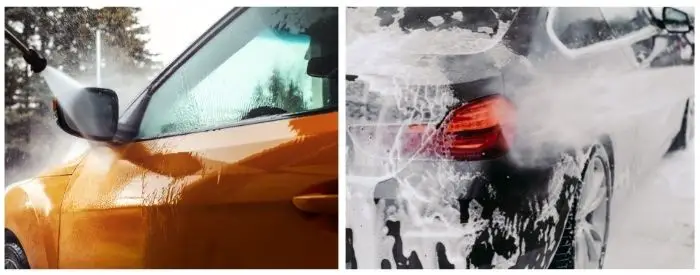
Always start with a gentle rinse using plain water. The goal here is to remove as much loose pollen and dirt as possible.
Never wipe or dry pollen off directly — those sharp grains act like tiny sandpaper and can scratch the paint.
A pressure washer or a hose with a spray nozzle is ideal, but make sure the water pressure isn’t so high that it forces pollen deeper into crevices.
Step 2: Use a pH-Balanced Car Shampoo
Skip the dish soap or harsh household cleaners. These strip your wax and clear coat.
Instead, use a pH-neutral car shampoo or a mild solution like Simple Green for car washing for tree pollen (always diluted properly).
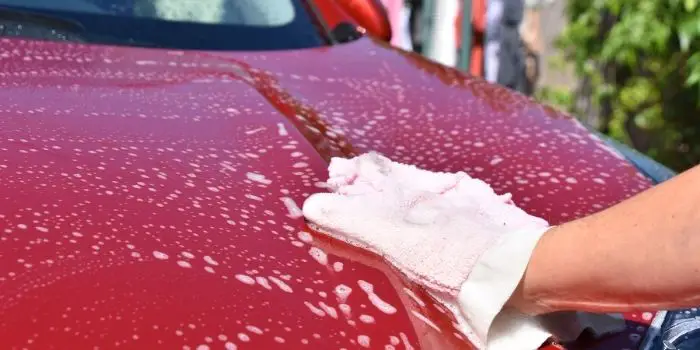
Mix according to the product instructions and work it into a rich foam using a microfiber wash mitt. Work in straight lines, not circular motions, to minimize swirl marks.
Step 3: Two-Bucket Method
One bucket for your soap mix, one for rinsing your mitt. This ensures you’re not rubbing pollen and grime back onto the paint. Keep your mitt clean and well-rinsed as you move along panels.
Step 4: Target the Tough Spots
For stubborn pollen stains or baked on pollen off a car hood, let the soapy foam sit for a few minutes before gently agitating with a microfiber cloth.
If necessary, use a dedicated bug-and-tar remover or a paint-safe clay bar to lift embedded residue.
Pro Tip: Don’t try to scrub it out. Patience beats pressure here.
Step 5: Rinse Thoroughly
Once the entire car is clean, rinse again thoroughly from top to bottom. This removes any remaining soap, pollen, and residue.
Step 6: Dry with Care
Use a soft microfiber towel or a car dryer blower. Avoid air drying, as pollen and minerals in the water can leave spots from car before washing was fully complete.
Step 7: Wax or Seal for Protection
Finish with a coat of quality wax or paint sealant. This creates a hydrophobic barrier, making it harder for pollen to stick in the future. Plus, your car will gleam again — and that’s never a bad thing.
How Often Should I Wash My Car During Pollen Season?
During peak pollen months (usually March through June, depending on your region), aim to wash your car once or twice a week.
If you park under trees or live in high pollen zones, a light rinse or waterless wash every few days can help too. The goal is to prevent the pollen from baking into the paint — once that happens, you’re fighting a much tougher battle.
Also, avoid washing under direct sunlight. Warm panels cause water and soap to dry faster, locking in streaks and stains. Early morning or late evening washes are ideal.
How to Deal with Stubborn Bee Pollen Buildup on a Car Hood?
Bee pollen is an entirely different beast. It’s stickier, denser, and often mixed with nectar or sap — meaning it doesn’t just sit on the surface, it adheres.
If you need to remove bee pollen from car paint, the process is similar but needs a gentler, more deliberate approach.
- Soak First: Spray a mix of water and mild car shampoo over the affected area (like your car bonnet or hood). Let it sit for a few minutes to soften the pollen.
- Gently Wipe: Use a soft microfiber cloth, lightly dampened, to wipe in one direction. Never use circular rubbing motions.
- Clay Bar Treatment: If residue remains, use a clay bar with lubricant. The clay will lift bonded contaminants safely without damaging the paint.
- Detail Spray Finish: Once clean, follow with a detailing spray or wax to restore the shine and protect the area.
For heavy buildup or sticky residue, a diluted mix of Simple Green or an enzyme-based cleaner can help loosen the organic material — just test it on a small area first.
Effective Tips for Protecting Your Car from Future Pollen Problems
Now that your car is clean, here’s how to keep it clean during pollen season:
1. Use a Car Cover
A breathable, lightweight car cover can drastically reduce pollen buildup, especially if you park outside. Make sure it’s designed for outdoor use — cheap covers can trap moisture.
2. Avoid Parking Under Trees
It seems obvious, but even a few hours under a flowering or pollen-producing tree can undo your cleaning efforts.
3. Apply Paint Sealant or Ceramic Coating
Wax is good; ceramic coatings are better. They create a super-slick surface that pollen simply can’t cling to. Plus, it adds long-term UV and chemical protection.
4. Keep Up with Quick Detailing
Carry a bottle of waterless wash or detailing spray. A quick daily wipe-down helps keep pollen from bonding, especially on dark or new white cars that show every speck.
5. Replace Cabin Air Filter
It’s not just the exterior — pollen clogs your air filter too, circulating dust inside the cabin. Replace or clean it every 3–6 months during peak season.
6. Wash the Undercarriage
Tree pollen and dust can accumulate underneath your car. A periodic undercarriage rinse prevents buildup and corrosion.
Frequently Asked Questions
Can pollen really damage my car paint?
Yes. Pollen grains are acidic and abrasive. When combined with moisture or heat, they can etch clear coats and cause discoloration — especially noticeable on lighter colors.
What’s the best way to get pollen stains off of white car paint?
Use a gentle, pH-neutral car shampoo, followed by a clay bar if needed. Avoid scrubbing — always soak and lift. Regular waxing also helps minimize future staining.
Is it safe to use household cleaners or vinegar?
No. Household cleaners are too harsh and can strip protective wax or clear coats. Stick with dedicated automotive products like Simple Green (diluted) or specialized car shampoos.
How can I tell if pollen has damaged my paint?
Look for dull patches, small yellow or green rings, or roughness when you glide your hand over the surface. If you feel grit even after washing, the paint might need polishing or claying.
What if I leave pollen on my car for weeks?
Expect fading, oxidation, and fine surface etching. The longer it sits — especially under sunlight — the more it bonds to the clear coat. Regular washing is your best defense.
Final Thoughts
Getting pollen stains off your car isn’t just about aesthetics — it’s about preservation. That fine yellow dust might look harmless, but it’s a silent destroyer of clear coats and color depth.
With regular rinses, gentle washing, and proper protection, you can remove pollen from car body surfaces safely without damaging the paint.
Whether you’re tackling bee pollen buildup on the car hood or routine springtime grime, the key is consistency and care.
Your car deserves to shine — not sneeze.
The awful smell, like a rotting fish, in your car can be hard to tolerate. And the worst thing is Read more
A person who enjoys DIY projects may try their hand at painting their vehicle. However, it is important to know Read more
Ever tried painting a car without primer? That’s like putting icing on a cake that hasn’t been baked yet—it looks Read more

If you like to move into a clean and good-looking car, you will have to take care of it and Read more

Based in Orem (Utah) John Paterson graduated from Utah Valley University and has begun writing in 2009. He has a large wealth of experience in writing articles related to cars, automotive repair, wheels, cleaning/maintenance, and much more. He has also written instructional articles in a similar niche for a few online publications as well. Currently, he works as a mechanic in his personal garage shop where he loves serving his countrymen from his heart.