
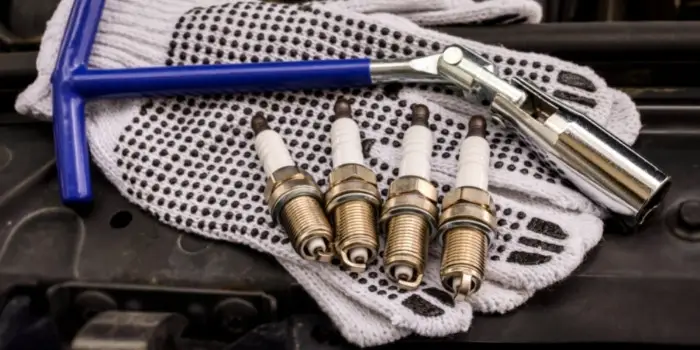
If you’ve ever popped the hood and stared at those tiny components firing life into your car engine, you’ve probably wondered: What’s the big deal about iridium spark plugs?
They cost more than traditional plugs, promise better performance, and seem to have a cult following among gearheads.
But are iridium spark plugs really worth it—or just another shiny “upgrade” that drains your wallet?
Let’s dive deep into how they work, what makes them special, and when (or if) you should actually change to iridium spark plugs in your car.
The Benefits of Iridium Spark Plug
Iridium plugs are the gold standard (well, iridium standard) of spark plug technology today. While they cost more upfront, they offer plenty of measurable advantages that can make the investment worthwhile for many drivers — especially those who value performance and efficiency.
Let’s dive into the top benefits of iridium spark plugs:
1. Superior Longevity
Iridium is one of the hardest, most heat-resistant metals known to man — with a melting point of about 4,450°F. Compare that to platinum (around 3,200°F) and copper (a mere 1,980°F), and you’ll see why iridium plugs are built to last.
In most modern engines, an iridium plug can easily last 60,000 to 120,000 miles, depending on driving conditions and the manufacturer. That’s 3–4 times longer than a typical copper plug. So, while the initial cost might sting a bit, the long-term savings are significant.
2. Improved Ignition Efficiency
The fine wire electrode design — typically 0.4mm to 0.6mm in diameter — allows iridium spark plugs to concentrate the electrical energy into a smaller point. That means the spark forms more easily and ignites the air-fuel mixture faster.
Result? A cleaner, more consistent combustion cycle, smoother acceleration, and fewer misfires — particularly during cold starts. The spark doesn’t need to “work as hard,” which means your ignition system stays under less stress.
3. Better Fuel Economy
Because iridium plugs create a stronger, more reliable spark, the air-fuel mixture burns more completely. This can slightly improve fuel efficiency, especially in engines that run rich or experience incomplete combustion.
While you shouldn’t expect a huge difference (we’re talking 1–2% fuel savings in most real-world cases), every bit helps — especially when gas prices fluctuate as wildly as they do.
4. Enhanced Engine Performance
When your combustion cycle is efficient, your engine responds better. Iridium spark plugs can improve throttle response, especially under load or high RPMs. Many drivers notice smoother idle, more stable acceleration, and a subtle but real improvement in power output.
This is particularly true in modern high-performance engines and turbocharged systems, where consistent ignition under high pressure is critical.
5. Reduced Emissions
A more complete burn means fewer unburned hydrocarbons leaving your exhaust. That’s good news for your catalytic converter, your car’s emissions test, and, yes — the planet.
Iridium plugs help maintain a cleaner combustion chamber, minimizing carbon buildup and keeping your emission control systems working optimally.
6. Excellent Resistance to Wear and Fouling
Thanks to their dense material and fine tip, iridium spark plugs resist erosion far better than cheaper types. They’re less likely to develop worn edges or rounded electrodes that lead to misfires.
They also perform better in engines that tend to foul plugs due to oil leakage or rich mixtures — though they’re not completely immune to buildup. The key advantage is they stay “sharp” longer, ensuring consistent spark quality even as mileage adds up.
7. Stable Spark Gap Over Time
A major problem with cheaper spark plugs is that the spark plugs gapped distance (the space between electrodes) widens over time as the electrodes erode. Iridium’s hardness prevents this from happening quickly, maintaining a stable gap and consistent spark over tens of thousands of miles.
That stability translates to smoother long-term performance — and fewer reasons to tinker under the hood between service intervals.
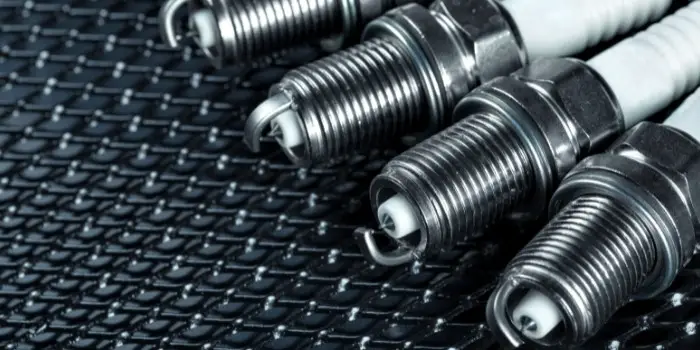
The Problems with Iridium Spark Plugs in Cars
Of course, not everything that glitters is iridium. Despite all the advantages, there are some practical downsides and maintenance quirks to keep in mind before you change to iridium spark plug types.
Let’s look at the main disadvantages of iridium spark plugs.
1. High Cost
This one’s obvious. Iridium spark plugs are typically 2–4 times more expensive than copper or standard plugs. While they last longer, the upfront hit can be steep — especially if your vehicle uses six or eight plugs.
If you’re replacing all plugs in an older car that won’t benefit much from improved ignition efficiency, that extra cost might not make sense.
2. Fragile Tip Design
The very feature that makes iridium plugs efficient — their ultra-fine electrode — also makes them fragile. Drop one, and you can easily chip the tip or crack the insulator. Over-torqueing during installation can also snap the tiny center wire.
This fragility means DIY installers must handle them with extra care and always use a torque wrench to the manufacturer’s specs.
3. Potential Compatibility Issues with Older Cars
If your vehicle was designed for normal spark plugs (usually copper), upgrading directly to iridium might not yield big benefits. Some older ignition systems aren’t built to deliver the precise voltage patterns or timing modern plugs need.
In some cases, switching to iridium can cause weak sparks or misfires, especially if your ignition coils or wires are worn out. Always check your owner’s manual or consult your mechanic before upgrading.
4. Fake and Cheap Iridium Spark Plugs
The market is unfortunately full of counterfeit and cheap iridium spark plugs that claim to be “premium” but use poor-quality materials. These knockoffs can wear out prematurely, foul quickly, or even damage your engine if the electrode tip breaks off.
Always buy from reputable retailers or directly from brands like NGK, Denso, Bosch, or Champion to avoid this issue.
5. Limited DIY Maintenance
Because of their longevity, iridium plugs can often go years without replacement — which sounds great, but it also means they’re easy to forget. Over time, even iridium plugs can seize in the cylinder head if not removed periodically.
Additionally, improper gapping or installation torque can cause trouble. Iridium plugs often come pre-gapped, but if you need to adjust them, remember that the electrode is very delicate — a slight pressure can ruin it.
Iridium Spark Plugs Pros and Cons
| Pros | Cons |
|---|---|
| Long lifespan — can last 80,000 to 120,000+ miles, much longer than copper or platinum plugs | Higher cost — 2–3x more expensive than regular spark plugs |
| Better ignition — fine 0.4 mm tip ensures a stronger, more consistent spark | Fragile tip — thin electrode can bend or break if mishandled |
| Improved fuel efficiency — more complete combustion means better mileage | Overkill for older cars — minimal gains if ignition system is basic |
| Smoother starts and idling — faster ignition and reduced misfires | Difficult to clean or reuse — electrode wears or chips easily |
| Excellent heat resistance — maintains performance in high-temperature engines | Cheap iridium spark plugs (counterfeits) often fail early or perform poorly |
| Lower emissions — fewer unburned hydrocarbons from more efficient combustion | Improper gapping can damage your engine if handled carelessly |

Can I Change a Normal Spark Plug in My Old Car to Iridium?
Short answer: Yes, you can — but it depends on your car’s ignition system and condition.
If you own an older vehicle that uses traditional copper plugs, you can technically upgrade to iridium. However, before you change to iridium spark plug types, consider a few points:
- Check Compatibility: Some older ignition systems (especially distributor-based ones) aren’t optimized for fine-wire electrodes. Using iridium may not improve performance or economy.
- Inspect Coils and Wires: If your ignition components are worn out, new iridium plugs won’t fix the root issue. Replace or service those parts first.
- Gap Correctly: Make sure the spark plugs gapped measurement matches your engine’s specifications. Don’t assume “pre-gapped” means perfect.
- Expect Subtle Gains: In older engines, iridium plugs may provide smoother idling and slightly better mileage — but not night-and-day differences.
- Cost-Benefit Ratio: If you’re planning to keep your old car long-term, iridium’s longevity might pay off. But if you’re selling it soon, copper or platinum will do just fine.
So while iridium spark plugs are better in terms of durability and spark quality, they aren’t necessary for every engine — especially older ones running perfectly well on standard plugs.
Platinum vs Iridium Spark Plugs — Which Is Better for New Cars?
This debate has been running for years — platinum vs iridium. Both are precious metals used to extend spark plug life and improve ignition performance. But the difference lies in their durability and spark intensity.
Here’s a quick breakdown:
| Feature | Platinum Spark Plugs | Iridium Spark Plugs |
|---|---|---|
| Material Strength | Softer, melts around 3,200°F | Harder, melts around 4,450°F |
| Electrode Tip Size | ~0.8mm | ~0.4mm |
| Lifespan | 60,000–80,000 miles | 100,000+ miles |
| Spark Energy | Good | Excellent — stronger, more focused spark |
| Price | Moderate | Expensive |
| Ideal Use | Daily drivers, mild performance engines | Modern high-performance, turbo, or GDI engines |
So, for newer cars with advanced fuel injection and ignition timing systems, iridium spark plugs are better because they produce a cleaner, stronger spark that complements these engines’ precision.
However, if your vehicle manufacturer specifies platinum plugs, stick with that — they’re perfectly balanced for your car’s ignition requirements and are more cost-effective for routine use.
And no — “radium sparkplugs” aren’t a thing (though you might see that term floating around online). The real star here is iridium, not something glowing green from a 1950s sci-fi movie.
FAQs About Iridium Spark Plugs
Are iridium spark plugs necessary for every car?
Not necessarily. They’re recommended for modern cars with precise ignition systems, turbochargers, or direct injection engines. For older or simpler engines, standard or platinum plugs work just fine.
Can iridium spark plugs damage your engine?
No, genuine iridium plugs won’t damage your engine — unless they’re installed incorrectly or you’re using counterfeit ones. The risk comes from cheap iridium spark plugs with poor-quality electrodes that can break or overheat.
Do iridium spark plugs produce electricity?
Not directly — they don’t generate power themselves. They channel electricity from your ignition coil into a high-voltage arc that ignites the fuel-air mixture. The iridium tip just makes this process more efficient and reliable.
Can I clean and reuse iridium spark plugs?
You can, but it’s not usually worth it. Cleaning them with abrasive materials can damage the fine electrode. If they’re fouled or worn, it’s best to replace them — they’re designed for longevity, not refurbishment.
How do I know when my iridium spark plugs need changing?
Common signs include poor acceleration, reduced fuel economy, misfiring, hard starts, or a rough idle. You can also check them during tune-ups — if the electrode looks rounded, corroded, or fouled, it’s time for a replacement.
Final Thoughts
So, are iridium spark plugs worth it?
In most cases — yes. They’re tough, efficient, and designed for the high-performance engines of today. If you value long service intervals, smooth starts, and optimal fuel burn, they’re a smart investment.
But if you’re running an older car or one that’s perfectly happy with normal spark plugs, upgrading may not bring dramatic benefits. It’s more about matching the right technology to the right engine.
In short, For new cars, Iridium is ideal. However, for older cars, copper or platinum still makes sense.
Choose quality, buy genuine, and install carefully — because a tiny piece of metal sitting in your cylinder head makes a huge difference in how your car feels every time you press the start button.
Spark plugs are an essential component of a car's engine. They are responsible for igniting the gasoline-air mixture that causes Read more
Wheel spacers are becoming more popular day by day for a variety of reasons. When put correctly, wheel spacers give Read more
Turbocharged engines—love them or fear them, they’re the heartthrobs of the automotive world. They promise a thrilling surge of power, Read more

Ever noticed how some cabs pop with colors, patterns, or that shiny “brand-new” vibe that makes you do a double-take? Read more

Based in Orem (Utah) John Paterson graduated from Utah Valley University and has begun writing in 2009. He has a large wealth of experience in writing articles related to cars, automotive repair, wheels, cleaning/maintenance, and much more. He has also written instructional articles in a similar niche for a few online publications as well. Currently, he works as a mechanic in his personal garage shop where he loves serving his countrymen from his heart.